What Are GPL WordPress Themes and Plugins?
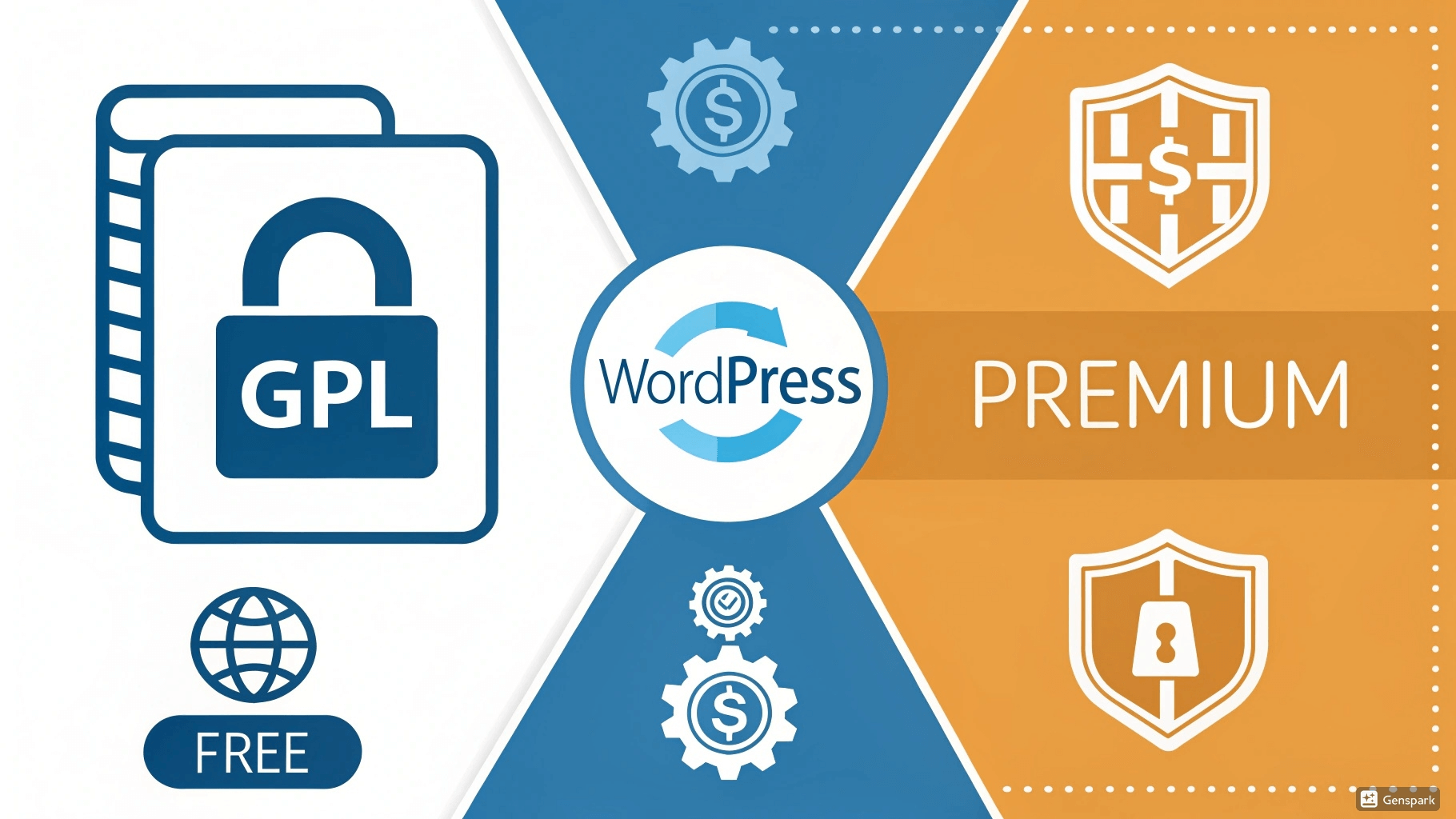
GPL themes and plugins are WordPress extensions licensed under the GNU General Public License, typically GPLv2 or later, which governs WordPress itself. This license ensures that anyone can use, modify, and redistribute the software freely, as long as derivative works remain under the same license. Many premium themes and plugins, despite their paid models, include GPL-licensed code because they’re built on WordPress. In 2025, GPL options are available through repositories like WordPress.org, GitHub, or GPL “clubs” that redistribute premium products at lower costs.
But why choose GPL over other options? Let’s dive into the reasons, weighing the benefits against the potential pitfalls.
Why Choose GPL WordPress Themes and Plugins?
1. Cost-Effective Access to Premium Features
GPL themes and plugins often provide access to premium-level functionality without the premium price tag. For example, GPL clubs like GPL Vault or GPL Downloads offer thousands of themes and plugins—originally sold for $50–$200 each—for a fraction of the cost (think $5–$10 per item or a low subscription fee). This makes it easier for startups, freelancers, or budget-conscious bloggers to build professional websites in 2025 without breaking the bank.
2. Freedom to Customize
The GPL license grants you the right to modify the code to suit your needs. Want to tweak a theme’s design or add a custom feature to a plugin? With GPL, you’re free to dive into the source code and make it your own. This is a game-changer for developers who want to create unique websites or tailor solutions for clients without restrictive licensing barriers.
3. Community-Driven Innovation
GPL fosters a collaborative ecosystem. In 2025, the WordPress community continues to thrive, with developers sharing GPL-licensed code on platforms like GitHub or WordPress.org. This means you benefit from constant improvements, bug fixes, and new features driven by a global network of contributors, not just a single company.
4. Legal and Ethical Compliance
Using GPL themes and plugins ensures you’re aligned with WordPress’s open-source philosophy. Since WordPress requires derivative works to be GPL-licensed, choosing GPL products avoids legal gray areas. In 2025, with increasing scrutiny on software licensing, sticking with GPL keeps your site compliant and supports the open-source movement.
5. Redistribution Opportunities
If you’re a developer, the GPL allows you to redistribute modified themes or plugins, either for free or commercially, as long as they remain GPL-licensed. This opens doors for creating custom solutions for clients or even launching your own products, a significant advantage in the competitive 2025 web development market.